Most orthodontic treatment starts in childhood, and getting the timing right matters as much as the brace itself. At Brace Orthodontics in Harpenden, Hertfordshire we look after children and teenagers from first assessment through to the day the brace comes off, with NHS treatment for eligible children up to 18 years of age and affordable private treatment for those who are not eligible. The options are explained below: early treatment, fixed braces, clear ceramic braces, functional appliances and Invisalign Teen. To arrange an assessment for your child, call 01582 769955 or use our contact page. Looking for treatment for yourself? See our adult treatments page.
Early Treatment
All children should undergo an orthodontic examination in order to identify problems of tooth development, which can be simply corrected at this early stage. Common problems encountered include:
- Crowding of the incisor teeth
- Narrowness of the upper jaw leading to a poor biting relationship of the molar teeth (a crossbite)
- A reverse incisor bite
- Upper incisor protrusion and digit sucking
- Malposition of the upper canine teeth
- Poor quality first permanent molar teeth
- Missing teeth
- Habit cessation
Some of these problems can be managed with removable appliance treatment, simple fixed appliances or extractions, which can help to greatly simplify later treatment.
Pricing InformationFixed appliances
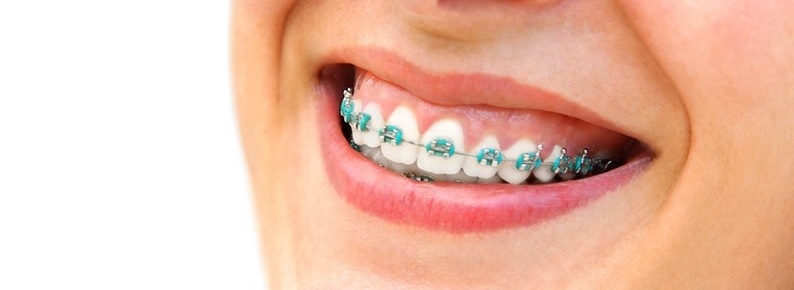
Fixed appliance treatment is the most precise way to control tooth movement to achieve the perfect smile. There are three main components to such appliances including the brackets (which are attached to the teeth), archwires (the wires placed into the brackets) and auxiliaries such as elastics. The bracket helps to determine the final tooth position. The archwire acts as the motor and places the necessary forces to initiate and sustain tooth movement. The brackets can be made of metal or tooth coloured ceramic materials.
Sometimes dental extractions have to be undertaken by the general dentist before starting or during fixed appliance treatment if space is required to correct tooth positions. The placement of fixed appliances is pain free and does not involve dental injections. Adjustments are typically undertaken at 4-12 week intervals. Sometimes breakages can occur and appointments have to scheduled between the main visits. The duration of fixed appliance treatment can vary between 6-24 months depending on the complexity of the case. There is some discomfort for 3–4 days following placement of fixed appliances, which can be controlled by mild painkillers (e.g. Paracetamol). The risks of fixed appliance treatment include dental decay (if there is excessive sugar within the diet and if tooth brushing is poor) and slight root shortening which is frequently minimal.
The wires used to align teeth are commonly termed 'archwires'. These are made of metal (stainless steel or nickel–titanium) materials.
Pricing InformationClear Fixed appliances
Fixed appliance attachments (the brackets) can be made from tooth coloured ceramic materials in order to reduce their visual impact. Such appliances are commonly termed 'ceramic fixed appliances'. Conventional ceramic fixed appliances use small elastics to hold the wire into the bracket and self–ligating brackets use an integral clip mechanism that secures the wire into position. The small elastics used with conventional fixed appliances can discolour in–between visits particularly with foods containing bright colouring.
The wires used to align teeth are commonly termed 'arch wires'. These are made of metal (stainless steel or nickel–titanium) materials. They can be covered with tooth coloured coatings to make them less obvious. However, these coatings do have a tendency to decay between visits and may slow tooth movement.
Pricing InformationFunctional appliances
Functional appliances are typically removable appliances that are designed to hold the lower jaw forwards for the correction of upper incisor protrusion in growing patients. The ideal time to use a functional appliance is during the pubertal growth spurt to help take advantage of the normal facial growth that is already occurring. The Twin Block functional appliance pictured above.
Functional appliances are constructed after taking a dental impression of the teeth and can consist of a single component or an upper and lower component fitting over the teeth. They can produce spectacular results by reducing upper incisor protrusion and work by a number of mechanisms including retraction of the upper incisors, advancement of the lower incisors and a small degree of forward growth of the lower jaw. They are designed to be worn at all times, apart from sleeping, and typically produce the desired result within 9-12 months if compliance is good. Functional appliance treatment will often lead to a correction of the bite and is often followed by a course of fixed appliance treatment to fine tune tooth positions.
Before and after functional appliance treatment. Note the large reduction in upper incisor protrusion.
Pricing InformationInvisalign Teen®
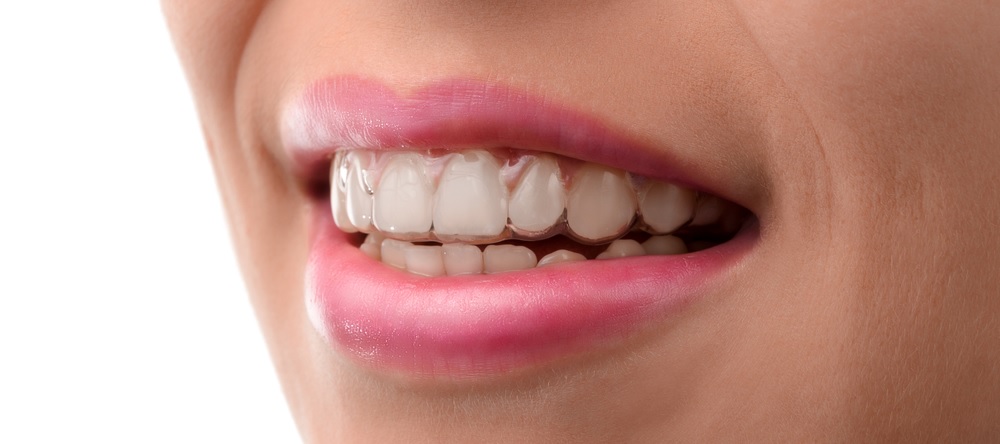
Invisalign is a virtually invisible way to straighten teeth and improve the smile. It can be used for those conscious about the appearance of fixed appliances where simpler tooth movements are required. Invisalign uses a series of clear removable aligners that gradually move teeth to their desired position. A major advantage of Invisalign, apart from being almost invisible, is that the appliance can be removed for eating, tooth brushing and important social engagements.
Invisalign Teen has all the above advantages but has also been adapted to be used in teenagers with the following modifications:
- It is tailored to young adults whose permanent teeth are still growing and forming
- Free replacement of lost or damaged aligners
- Each aligner also includes a colour indicator which fade the more it is worn. This helps parents to monitor if the aligners are being worn.
Common Questions From Parents
At what age should my child see an orthodontist?
All children should have an orthodontic examination so that problems of tooth development can be identified and, where possible, simply corrected at an early stage. Most children are seen from around the age of seven onwards, although the majority of treatment begins once most of the adult teeth have come through, usually between eleven and thirteen.
Is NHS orthodontic treatment free for children?
NHS orthodontic treatment is free for eligible children up to 18 years of age. Eligibility is based on a national assessment of clinical need rather than appearance alone, so not every child qualifies. If your child is not eligible, affordable private treatment is available and our fees page sets out the cost.
Do we need a referral from our dentist?
NHS orthodontic treatment is normally arranged through a referral from your child's own dentist, who will have been monitoring how the adult teeth are coming through. For a private assessment you are welcome to contact us directly on 01582 769955.
How long will my child wear a brace?
The duration of fixed appliance treatment can vary between 6 and 24 months depending on the complexity of the case. Functional appliance treatment typically produces the desired result within 9 to 12 months if the appliance is worn as instructed. Adjustment appointments are usually every 4 to 12 weeks.
Will having a brace fitted hurt?
The placement of fixed appliances is pain free and does not involve dental injections. There is some discomfort for three to four days afterwards, which can be controlled with mild painkillers such as paracetamol, and again briefly after each adjustment. Our During Braces page has practical advice for the first few days.
Will my child need teeth taken out?
Sometimes. Dental extractions have to be undertaken by the general dentist before starting or during fixed appliance treatment if space is required to correct tooth positions. We will explain clearly whether this applies to your child, and why, before treatment begins.
Arrange an Assessment for Your Child
At the first appointment we will examine your child's teeth, bite and how the adult teeth are developing, explain whether treatment is needed now or is better left until later, and talk you through NHS eligibility and private options. We are at Davenport House, Bowers Way, Harpenden, Hertfordshire AL5 4HX, a short walk from the town centre and railway station.
Call 01582 769955, email email@braceorthodontics.co.uk, or see our contact page for directions and opening hours. Dentists can refer a patient through our for dentists page.
Information about Braces Care
-

Preparing for Braces
Questions and Answers about what to expect.
-

Coping with Braces
Advice and Instructions to help you cope with your braces.
-
Post-Braces Treatment
Retain your smile- Retainers matter!